Ihr erster Muay Thai Kampf, entschlüsselt
Sie haben Ihr Ticket gekauft. Sie sind im Rajadamnern angekommen. Die Lichter gehen aus, die Trommeln beginnen, und zwei Männer in Shorts gehen mit geschlossenen Augen langsam im Kreis um den Ring. Was ist gerade passiert? Dieser Leitfaden macht Sie in weniger als zehn Minuten vom verwirrten Touristen zum informierten Zuschauer.
Das Format
Jeder professionelle Muay Thai Kampf im Rajadamnern besteht aus fünf Runden zu je drei Minuten, unterbrochen von zweiminütigen Pausen. Es gibt keine Entscheidungen der Punktrichter während der Runden – drei Punktrichter bewerten den gesamten Kampf nach dem traditionellen thailändischen System, das vor allem effektive Aggression, Balance und verursachten Schaden berücksichtigt.
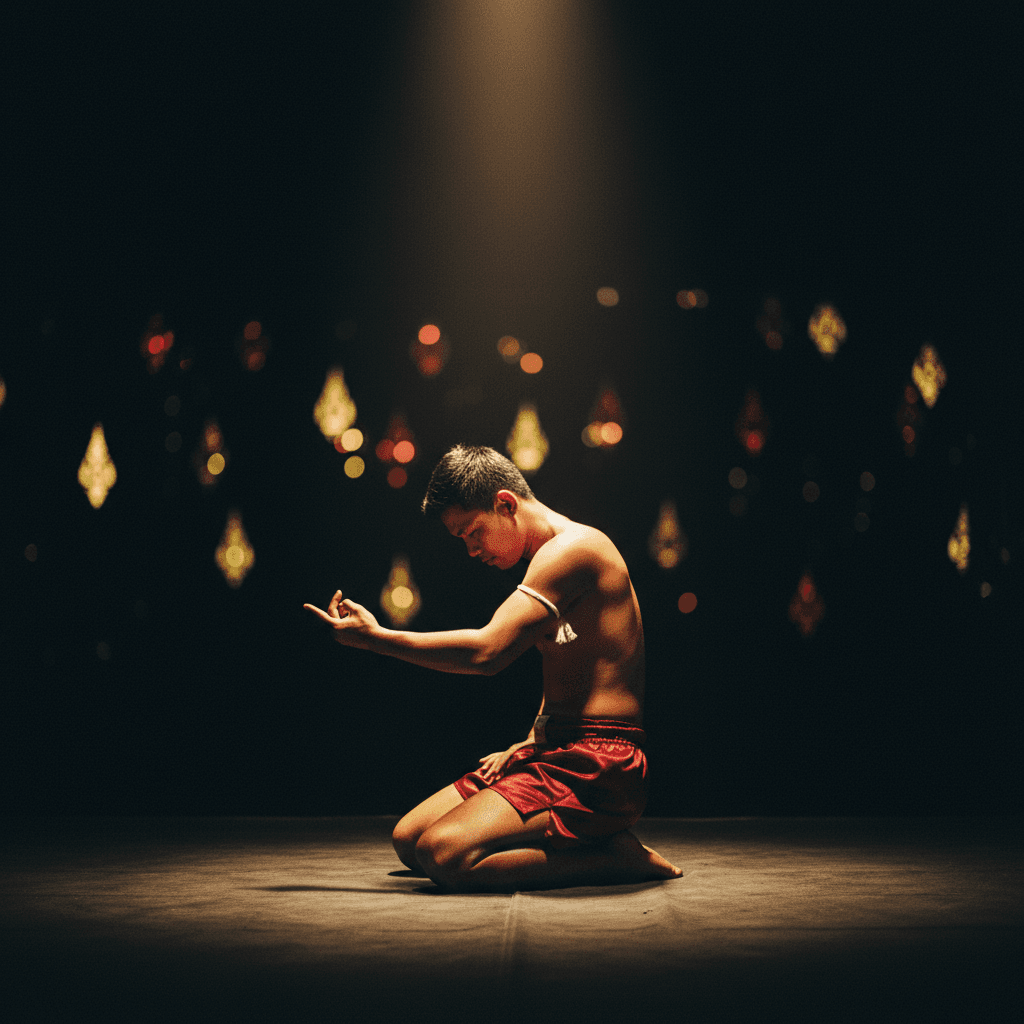
Das Eröffnungsritual: Wai Khru Ram Muay
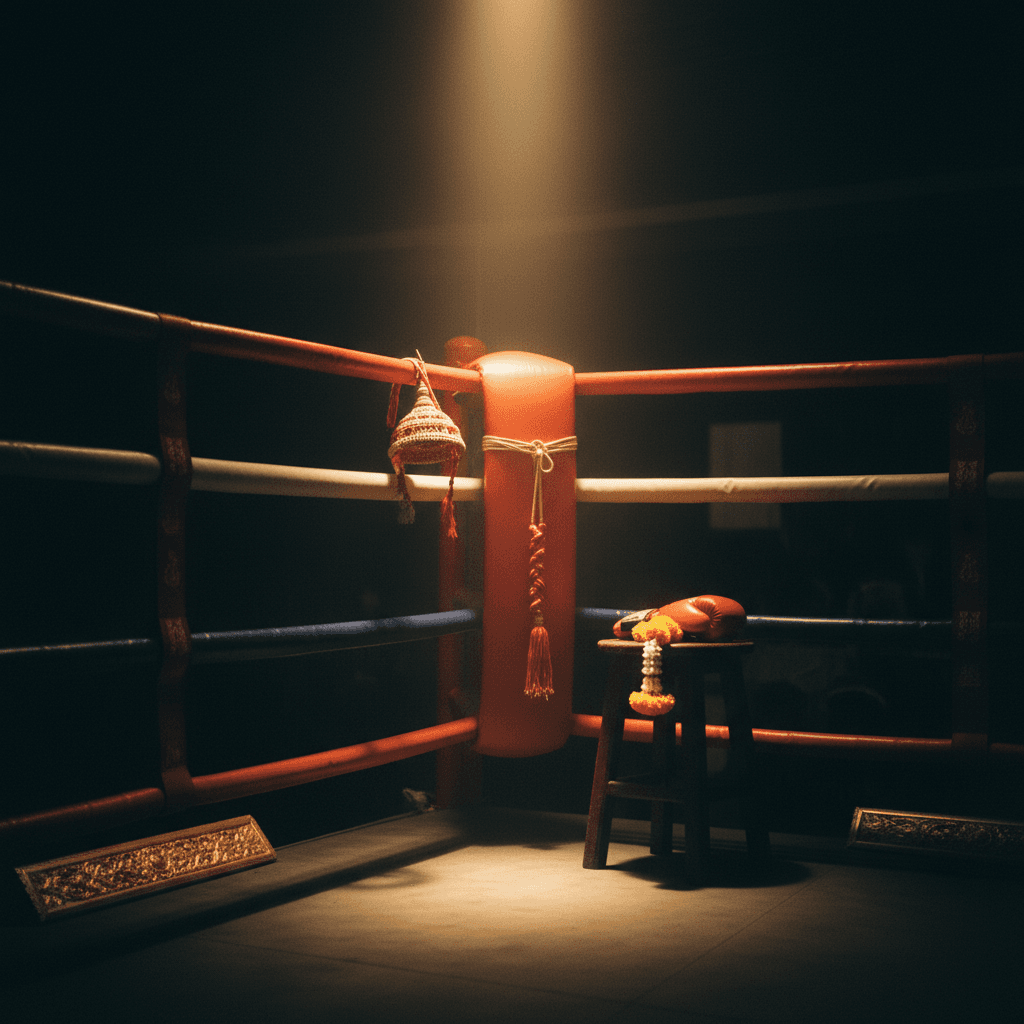
Vor dem ersten Gong führt jeder Kämpfer einen langsamen, choreografierten Tanz mit geschlossenen Augen auf. Dies ist der Wai Khru Ram Muay – ein zeremonieller Respekt gegenüber Lehrern, Familie und den Geistern des Rings. Es ist kein Theater; es ist Religion. Beobachten Sie still. Fotos sind in Ordnung; darüber zu sprechen ist unhöflich.
Der Tanz ist auch taktisch: Erfahrene Kämpfer können in diesen 90 Sekunden die Flexibilität, Balance und das Selbstvertrauen des anderen ablesen.
Wie die Runden tatsächlich ablaufen
- Runde 1: Abtasten. Beide Kämpfer kreisen, werfen leichte Tritte, schätzen die Distanz ein. Die Wertung wird hier selten entschieden.
- Runde 2: Immer noch gemessen. Achten Sie darauf, wer zuerst Treffer landet.
- Runde 3: Der Kampf beginnt. Die Intensität der Schläge nimmt zu. Die Menge erwacht. Spieler beginnen, Quoten zu rufen.
- Runde 4: Die Meisterschaftsrunde. Wer in Führung liegt, "sichert" den Vorsprung mit defensivem Boxen; der zurückliegende Kämpfer muss Risiken eingehen.
- Runde 5: Wenn die Führung klar ist, berühren sich beide Kämpfer oft die Handschuhe und lassen es ruhig angehen. Dies ist kein Mangel an Anstrengung – es ist eine rituelle Anerkennung.
Wertung (vereinfacht)
Die Punktrichter bewerten den gesamten Kampf, nicht einzelne Runden. Sie berücksichtigen:
- Effektive Aggression (sauber landende Tritte und Knie).
- Balance und Ringkontrolle.
- Verursachter Schaden.
- Verteidigung.
Schläge zählen weniger als Tritte. Knie und Ellbogen zählen am meisten. Ein sauberer Ellbogen-Cut kann einen ansonsten ausgeglichenen Kampf entscheiden.
Wann die Menge jubelt
Die Rajadamnern-Menge ist eine lebende Anzeigetafel. Achten Sie auf diese Signale:
- Ein langes "Oooohhh!" – ein harter Treffer wurde gelandet.
- Synchronisierte Rufe bei jedem Treffer – die Sektion der Spieler reagiert auf Treffer, die Punkte bringen.
- Plötzliche Stille – meist vor einem K.o.-Sieg oder einer kampfbeendenden Verletzung.
- Pfiffe und Applaus nach dem Gong – Respekt für beide Kämpfer.
Was Sie niemals tun sollten
- Legen Sie niemals Ihre Füße auf den Sitz vor Ihnen (Füße auf Personen gerichtet = respektlos).
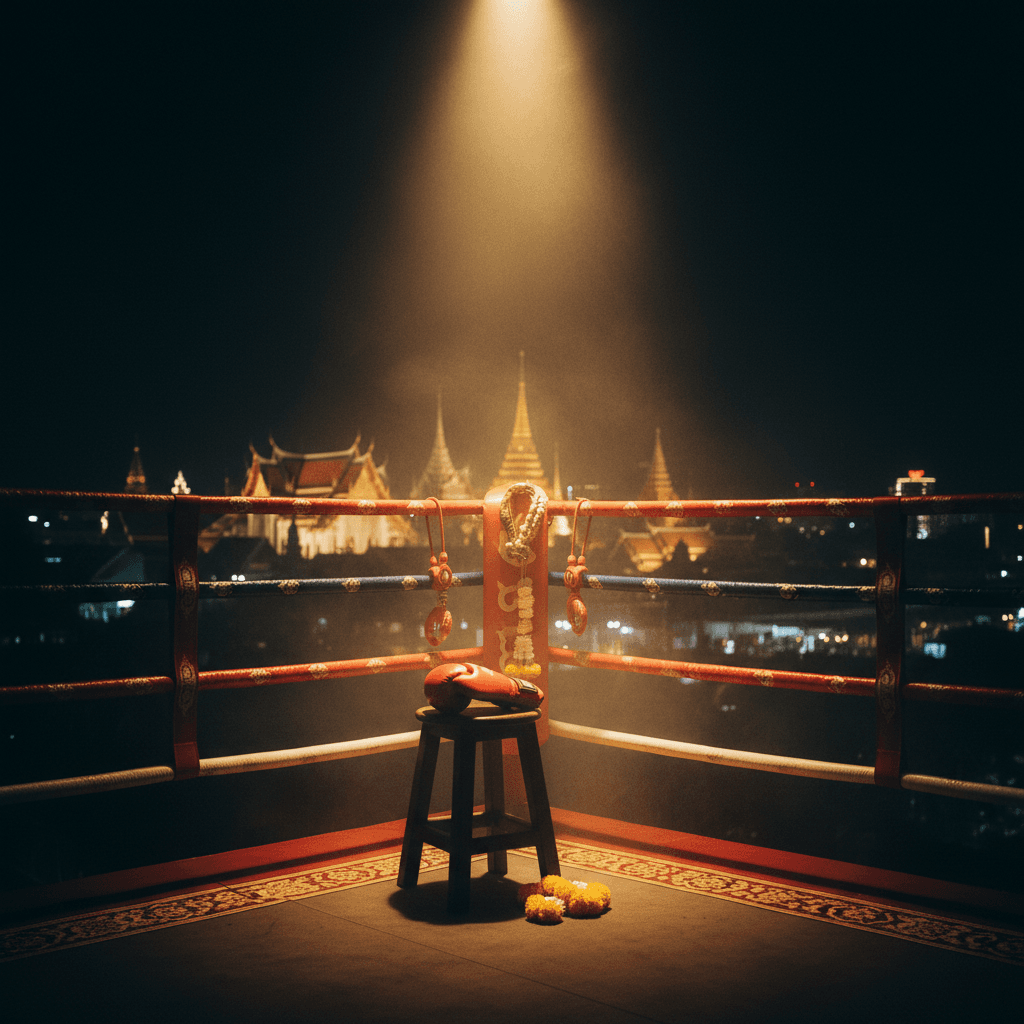
- Gestikulieren Sie niemals in Richtung des Buddha-Schreins, der sich normalerweise über einer Ecke befindet.
- Blenden Sie die Kämpfer während des Wai Khru nicht mit hellem Licht.
- Pöbeln Sie nicht. Die Menge respektiert beide Kämpfer; das sollten Sie auch tun.
Wenden Sie dieses Wissen heute Abend an
Jetzt können Sie einen Kampf wie ein Einheimischer lesen. Der nächste Schritt ist, dabei zu sein. Buchen Sie Ringside-Plätze im Rajadamnern und nutzen Sie diesen Leitfaden auf der Rückenlehne.
FAQ
Sind Unentschieden möglich?
Ja, wenn auch selten. Etwa 4 % der Rajadamnern-Kämpfe enden unentschieden.
Können sich Kämpfer gegenseitig K.o. schlagen?
Ja. Knockouts sind häufig, besonders in den letzten beiden Runden durch Knie oder Ellbogen.
Was passiert, wenn ein Kämpfer verletzt wird?
Schnitte, die die Sicht behindern, Knochenbrüche und Schläge, die eine Gehirnerschütterung verursachen können, können den Kampf stoppen. Die Entscheidung des Arztes ist endgültig.
Gibt es einen Anzählen bei Niederschlägen?
Ja – der Ringrichter zählt bis acht, nachdem ein sauberer Niederschlag erfolgt ist.
Wie wette ich im Rajadamnern?
Ausländer können legal keine Wetten über die Wettgruben platzieren. Beobachten und genießen Sie – die Energie ist die Show.