The Sacred Threads and Dances: Unveiling Muay Thai's Pre-Fight Rituals
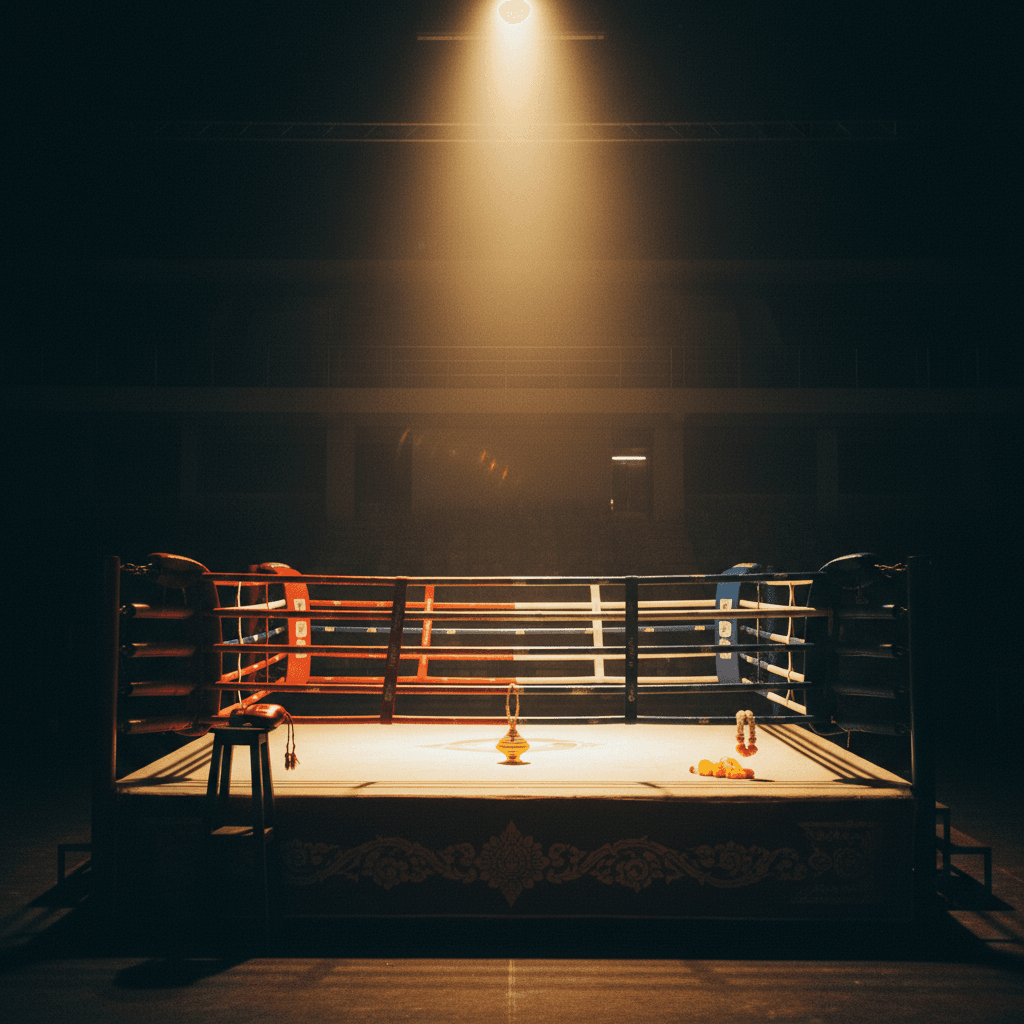
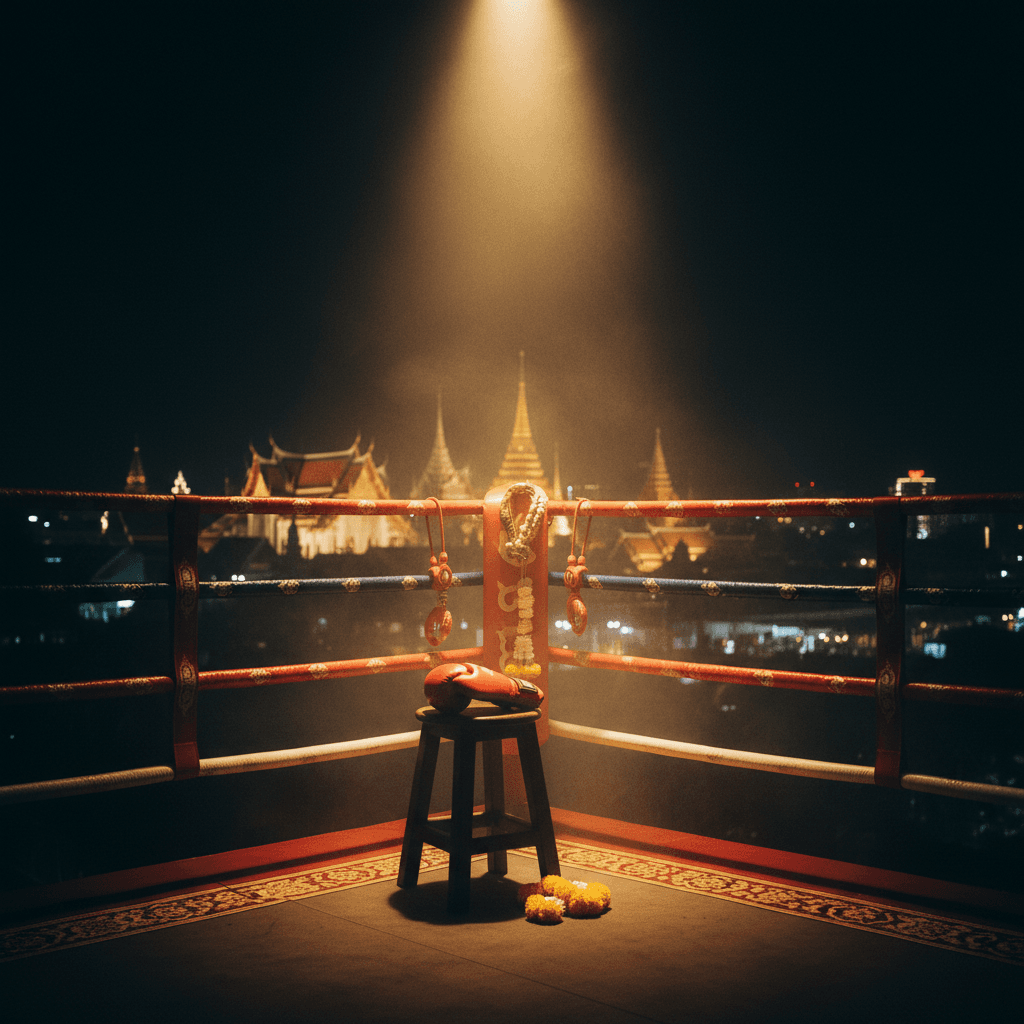
Muay Thai, often called "The Art of Eight Limbs," is far more than just a combat sport; it is a profound cultural institution deeply rooted in Thai history and spirituality. For travelers visiting Bangkok and seeking an authentic experience, understanding the intricate pre-fight rituals is key to appreciating the depth and respect inherent in every bout. From the sacred armbands to the mesmerizing pre-fight dance, these small details mark every authentic fight, transforming a physical contest into a spiritual homage.
The Pra Jiad: A Warrior's Protective Charm
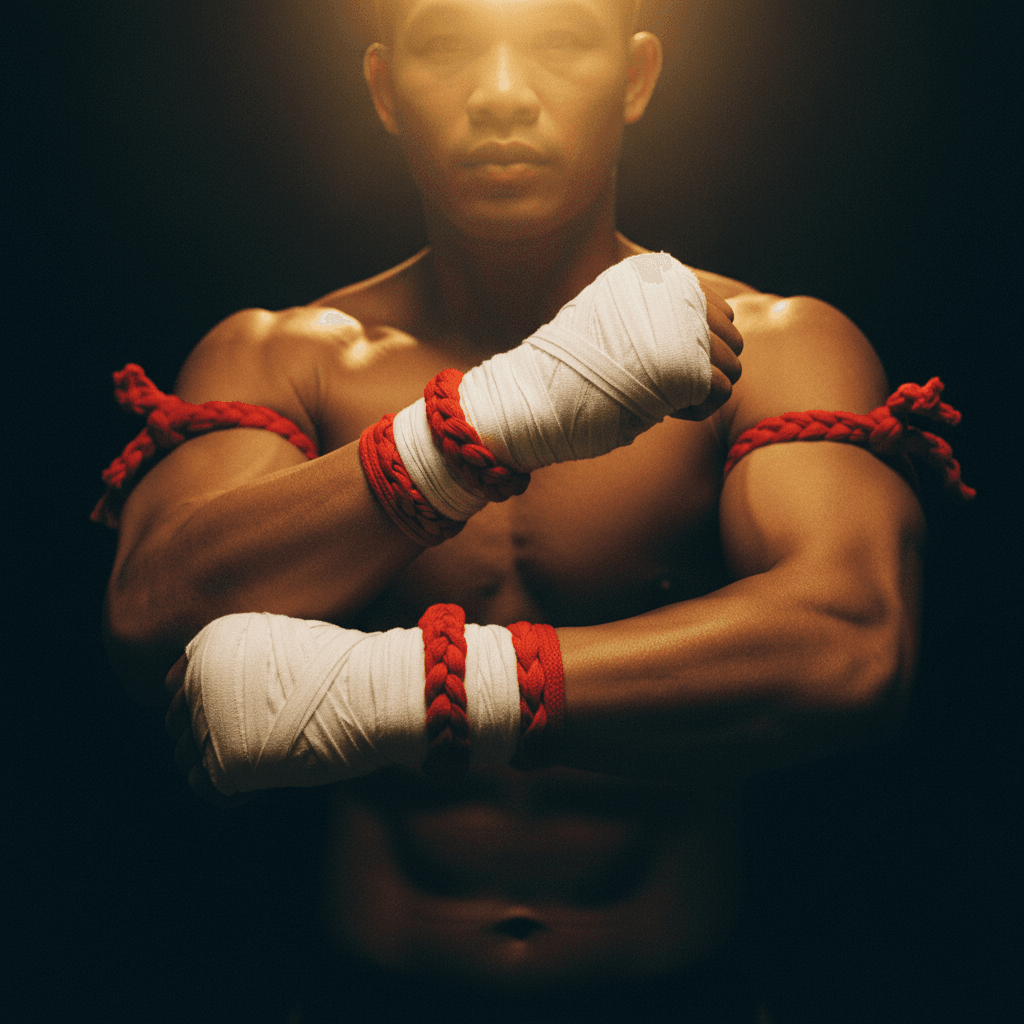
Among the most distinctive elements of a Muay Thai fighter's attire is the Pra Jiad (also spelled Prajiad). These woven armbands, traditionally worn on one or both biceps, are not merely decorative. They are potent talismans, imbued with spiritual significance and believed to offer protection and good fortune to the wearer.
History and Spiritual Significance
The tradition of the Pra Jiad dates back centuries to ancient Siamese warriors who would tear strips of their mothers' or wives' garments, twist them, and wear them into battle for protection. Over time, this evolved into specially prepared armbands, often blessed by Buddhist monks or revered trainers. The Pra Jiad serves as a constant reminder of the fighter's lineage, their gym, and the spiritual support they carry into the ring. Each Pra Jiad is unique, often containing sacred symbols, hair, or other personal items meant to enhance its protective power.
Wearing and Etiquette
Fighters wear the Pra Jiad tightly around their bicep, typically under their gloves, throughout the fight. It is considered deeply personal and sacred, never to be touched by others, especially strangers, without explicit permission. For spectators, observing this respect is crucial. Do not attempt to touch a fighter's Pra Jiad. Its presence underscores the spiritual dimension of Muay Thai, linking the modern athlete to a storied past of brave warriors.
The Wai Kru Ram Muay: A Dance of Respect and Devotion
Before any punches or kicks are thrown, every authentic Muay Thai fight begins with the elaborate and beautiful Wai Kru Ram Muay. This pre-fight ritual is a cornerstone of Muay Thai culture, a graceful and deliberate sequence of movements that serves multiple purposes: paying homage, warming up, and demonstrating personal style.
The Wai Kru: Paying Homage
"Wai Kru" literally translates to "paying respect to the teacher." This initial part of the ritual is a solemn act of gratitude. Fighters perform a series of kneeling bows, typically in the four corners of the ring, facing outwards. This gesture pays respect to their trainers (Kru), their parents, their gym, their country, and to Buddha. It's a moment of humility and focus, where the fighter clears their mind and expresses thanks to all who have guided them on their path. For the astute observer, the Wai Kru sets a respectful and contemplative tone for the impending battle.
The Ram Muay: The Fighter's Dance
Following the Wai Kru, the "Ram Muay" commences. This is the individual "boxing dance," a personalized sequence of movements unique to each fighter and their training camp. The Ram Muay often mimics traditional Thai dance forms or animal movements, such as the graceful swan or the powerful Garuda. It serves several practical functions:
- Warm-up: Loosening muscles and preparing the body for intense physical exertion.
- Demonstration: Showcasing the fighter's balance, flexibility, and unique style to the opponent and spectators.
- Intimidation (subtle): A confident Ram Muay can subtly convey a fighter's prowess.
- Meditation: A final moment of mental preparation and focus before the fight begins.
The Ram Muay is performed slowly and deliberately, often accompanied by traditional Thai music featuring a Pee Java (Javanese oboe), drums, and cymbals. Each gym has its signature Ram Muay, allowing knowledgeable spectators to identify a fighter's training lineage.
The Mongkol: A Crown of Blessings
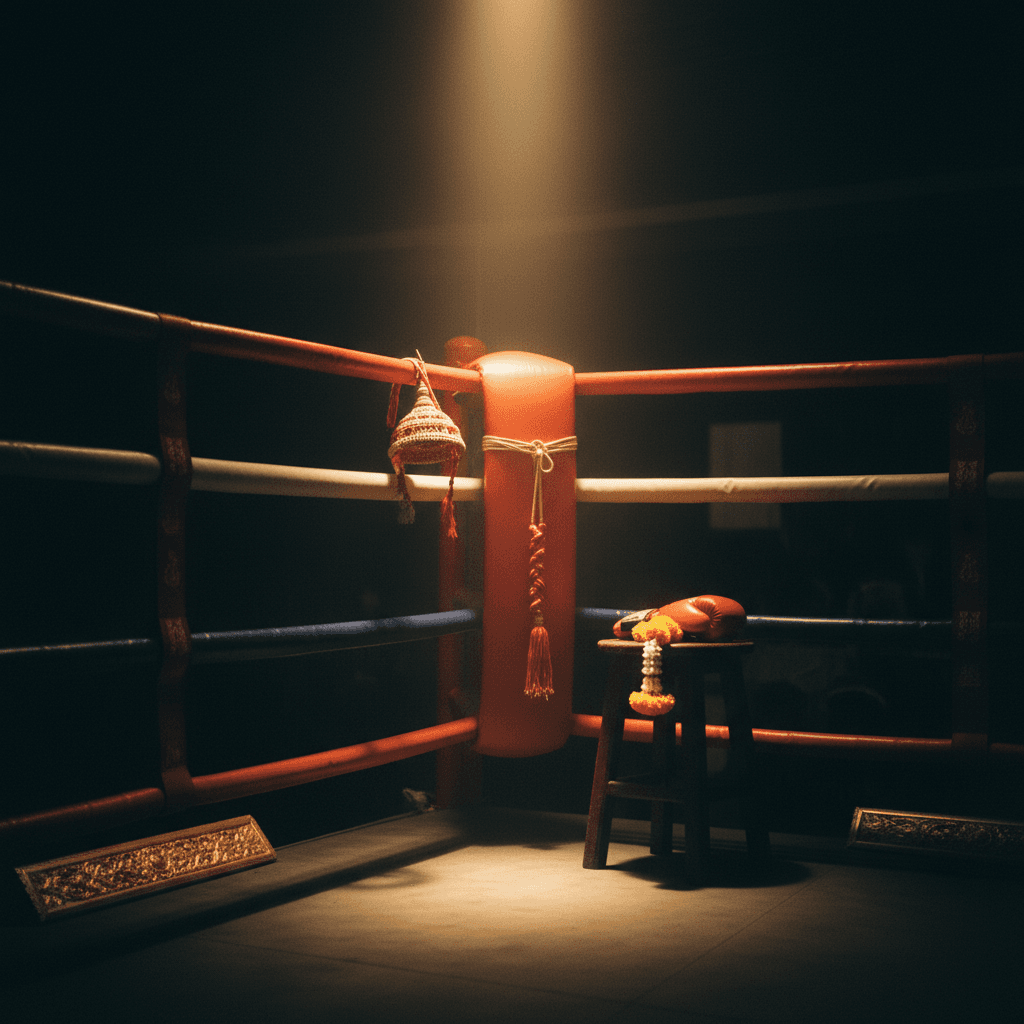
During the entire Wai Kru Ram Muay, the fighter wears a Mongkol (also spelled Mongkon) – a sacred headpiece, often made from intricately woven threads and blessed by monks. Like the Pra Jiad, the Mongkol is believed to confer protection and good luck. It is considered profoundly sacred and must never touch the ground or be touched by anyone other than the fighter or their trainer. Just before the fight officially begins, a trainer will ceremonially remove the Mongkol from the fighter's head, often accompanied by a prayer, signifying the transition from ritual to combat.
Experiencing the Rituals: Tips for Travelers
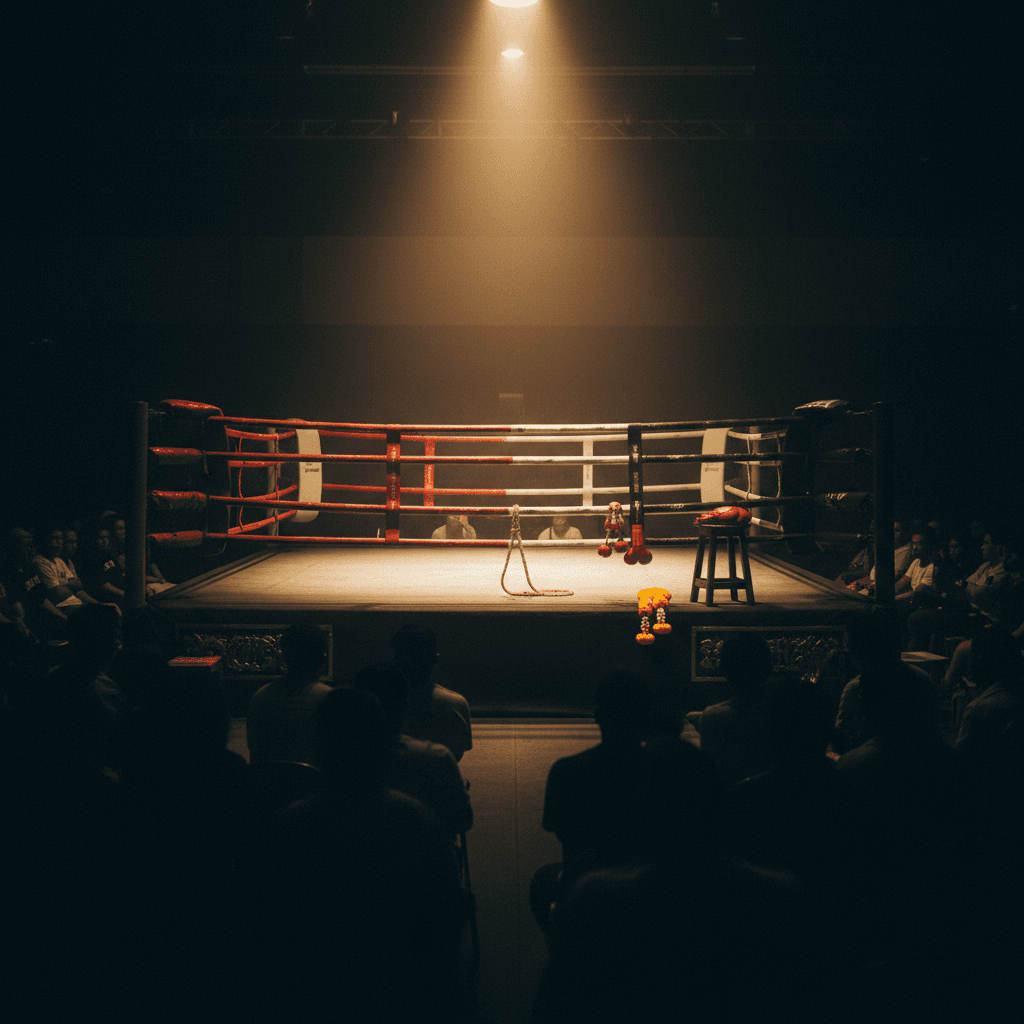
For visitors to Bangkok, witnessing these rituals firsthand is an unforgettable cultural experience. Major stadiums like Lumpinee Boxing Stadium and Rajadamnern Boxing Stadium host fights several nights a week, offering the best opportunity to see authentic Muay Thai.
Etiquette for Spectators
- Arrive Early: To fully appreciate the Wai Kru Ram Muay, arrive well before the first fight. The rituals are performed for every bout, not just the main event.
- Observe Respectfully: Remain quiet and attentive during the Wai Kru Ram Muay. This is a sacred moment, not a spectacle for loud cheering. Applause is appropriate once the ritual concludes.
- No Touching: Never attempt to touch a fighter's Pra Jiad or Mongkol. These items are deeply personal and sacred.
- Photography: While photography is generally allowed, be mindful and respectful. Avoid using flash directly in a fighter's face during the rituals.
Understanding and respecting these traditions enhances your appreciation of Muay Thai from a mere sport to a profound cultural art form. It connects you to the heart of Thailand's martial heritage and offers a glimpse into the discipline, respect, and spirituality that define this ancient practice.
FAQ
What is the Pra Jiad made of?
Traditionally, Pra Jiad armbands were made from strips of cloth, often from a loved one's garment, twisted and tied. Today, they are typically made from woven fabric, sometimes containing sacred threads, hair, or other personal items, blessed by monks or trainers for protection and good fortune.
Can spectators touch a fighter's Mongkol or Pra Jiad?
Absolutely not. Both the Mongkol headpiece and the Pra Jiad armbands are considered deeply sacred and personal items. Touching them, especially by a stranger, is a serious breach of etiquette and disrespectful to the fighter and their traditions.
How long do the pre-fight rituals typically last?
The Wai Kru Ram Muay, including the removal of the Mongkol, typically lasts between 3 to 5 minutes per fighter. This duration can vary slightly depending on the fighter's individual Ram Muay routine and the specific gym's traditions.
Are these rituals performed in all Muay Thai fights?
While traditional Muay Thai fights in Thailand's major stadiums will almost always feature the full Wai Kru Ram Muay and the wearing of the Pra Jiad and Mongkol, some smaller, more tourist-oriented exhibitions or international fights outside of Thailand might abbreviate or omit certain elements of the rituals. For the most authentic experience, attend fights at renowned stadiums in Thailand.