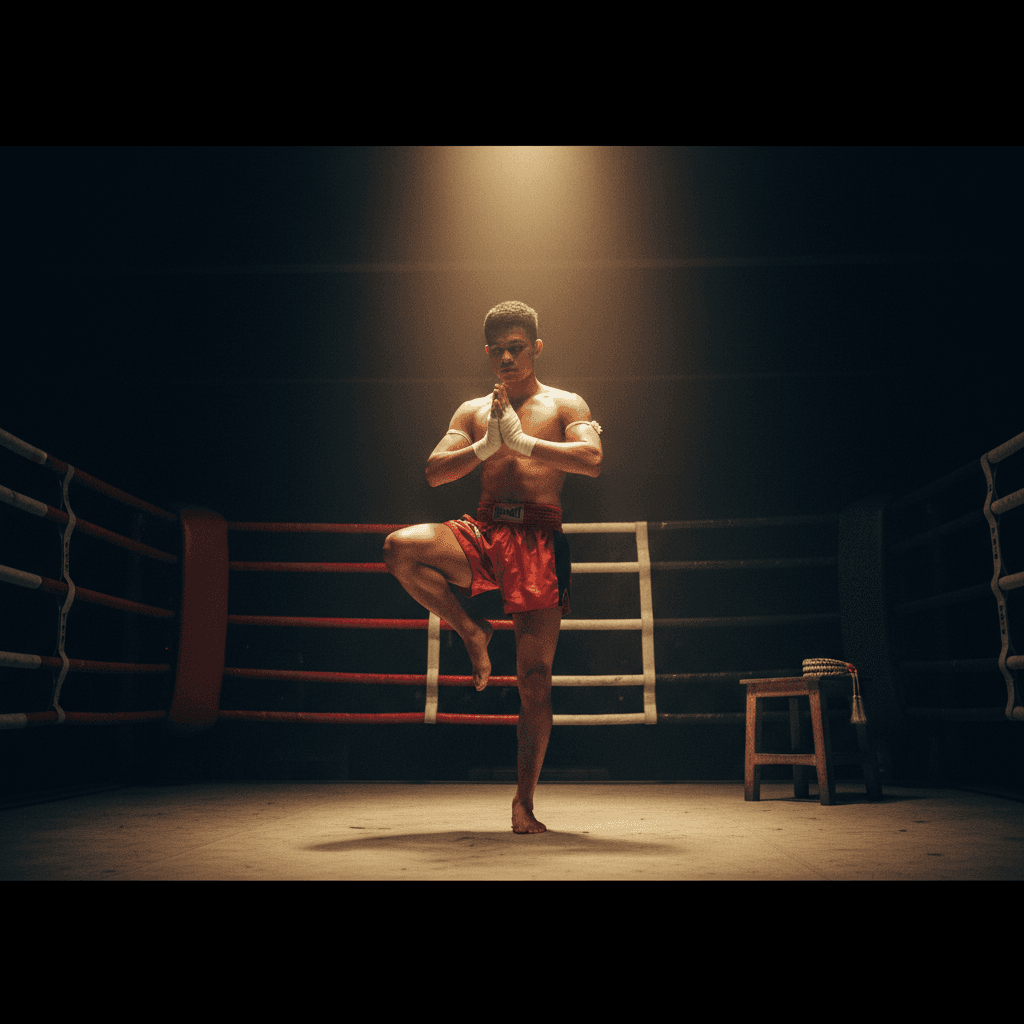
Stepping into a Muay Thai stadium in Bangkok, one of the most captivating sights you’ll witness before the first bell rings is the Wai Kru Ram Muay. More than just a warm-up, this intricate ritual dance is a cornerstone of Muay Thai, deeply woven into the fabric of Thai culture and the spirit of the sport. Understanding its meaning enhances the entire spectating or training experience.
What is the Wai Kru Ram Muay?
The Wai Kru Ram Muay is a two-part pre-fight ritual performed by every Muay Thai fighter. It is a graceful yet powerful sequence of movements, traditionally accompanied by live Sarama music (a traditional Thai ensemble featuring drums, cymbals, and a Javanese oboe). While seemingly a performance, every gesture and step holds profound significance, rooted in ancient traditions and beliefs.
Wai Kru: Paying Homage
The first part, “Wai Kru,” directly translates to “paying respect to the teacher.” This segment is a solemn act of homage, where the fighter expresses gratitude and reverence. This respect extends beyond their immediate trainers to include their parents, the gym (or camp), their country, and even the ancient masters who developed Muay Thai. It’s a moment of humility and dedication, acknowledging the lineage and wisdom passed down through generations. Fighters often touch the canvas with their forehead, a gesture of deep respect, and circle the ring, offering prayers or blessings.
Ram Muay: The Dance of Preparation
The second part, “Ram Muay,” means “boxing dance.” This segment serves several practical and psychological purposes. Physically, it acts as a dynamic warm-up, stretching muscles and preparing the body for the intense combat ahead. It allows the fighter to limber up, check their balance, and accustom themselves to the ring environment. Psychologically, the Ram Muay is a display of the fighter’s individual style and confidence. It’s an opportunity to showcase their grace, agility, and unique interpretation of the ritual, often subtly intimidating their opponent. It also allows the fighter to 'seal' the ring, symbolically protecting it and themselves from negative influences.
The Meaning Behind the Movements
Each movement within the Wai Kru Ram Muay is steeped in symbolism. While there are countless variations, several common themes and gestures recur:
- Circling the Ring: Typically performed three times, this act symbolizes the fighter marking their territory, paying respect to the four directions, and seeking protection.
- Hanuman Offers a Ring/Phra Rama Holds a Bow: Many movements draw inspiration from the Ramakien (the Thai national epic, based on the Hindu Ramayana), with fighters often mimicking the postures of mythical warriors like Hanuman or Phra Rama. These gestures symbolize strength, readiness, and divine protection.
- Khom Thob Thao (Stomping Foot): This powerful stomp, often performed at the corners of the ring, signifies crushing the opponent or driving away evil spirits.
- Prostrations: Bowing to the canvas or touching the forehead to the mat is a universal sign of humility and respect.
Regional Variations and Styles
It’s important to note that the Wai Kru Ram Muay is not a single, monolithic dance. Each gym, region, and even individual fighter might have their own unique interpretation or sequence, often passed down from their specific Kru (teacher). These variations reflect the diverse lineages and styles within Muay Thai, making each performance a unique cultural expression.
Experiencing the Wai Kru Ram Muay as a Spectator
For travelers visiting Thailand, witnessing the Wai Kru Ram Muay live is an unforgettable experience. It offers a window into the soul of Muay Thai beyond just the fighting.
Where to See It
The best places to witness the Wai Kru Ram Muay are Bangkok’s premier stadiums like Lumpinee Boxing Stadium and Rajadamnern Boxing Stadium. Smaller local stadiums, temple fairs, and provincial fight nights also feature the ritual, often with a more intimate atmosphere. In tourist-heavy areas like Phuket or Pattaya, many smaller venues will also host fights, ensuring you can experience this tradition.
Etiquette for Spectators
When the Wai Kru Ram Muay is being performed, it’s crucial to show respect. Maintain respectful silence, avoid talking loudly, and refrain from disruptive behavior. This is a sacred moment for the fighter, and your quiet observance contributes to the solemnity of the ritual. Arrive early before the first fight on the card to ensure you don’t miss any of the preliminary rituals.
For the Aspiring Practitioner
For those who embark on the journey of learning Muay Thai, the Wai Kru Ram Muay is not just for professional fighters. It is an integral part of fundamental training in most authentic Thai gyms. Learning the ritual instills discipline, respect for the art and its history, and deepens a student’s connection to the traditions of Muay Thai. It’s a moving meditation, reinforcing mental focus and physical grace.
The Wai Kru Ram Muay is far more than a pre-fight show; it is a living testament to the respect, tradition, and spiritual depth that defines Muay Thai. To truly appreciate the art of eight limbs, one must first understand the heart behind this sacred dance.
FAQ
Is the Wai Kru Ram Muay mandatory for all Muay Thai fighters?
Yes, for professional fights in Thailand, performing the Wai Kru Ram Muay is generally mandatory. It is an integral part of the pre-fight protocol, signifying respect for the sport, the teachers, and the tradition. Refusal to perform it could be seen as disrespectful and might even lead to disqualification in some contexts, though this is rare.
How long does the Wai Kru Ram Muay typically last?
The duration of a Wai Kru Ram Muay can vary, but it typically lasts between 3 to 5 minutes per fighter. Some more elaborate or traditional performances might extend slightly longer, while simpler ones can be quicker. It's usually performed individually by each fighter before their bout.
Can foreign students learn the Wai Kru Ram Muay?
Absolutely. Most reputable Muay Thai gyms in Thailand and abroad teach the Wai Kru Ram Muay as part of their curriculum, regardless of a student's nationality. Learning it is considered an essential part of understanding and respecting the art. It's often taught in stages, starting with basic movements and progressing to more complex sequences as a student advances.
What is the significance of the Mongkol and Pra Jiad worn during the ritual?
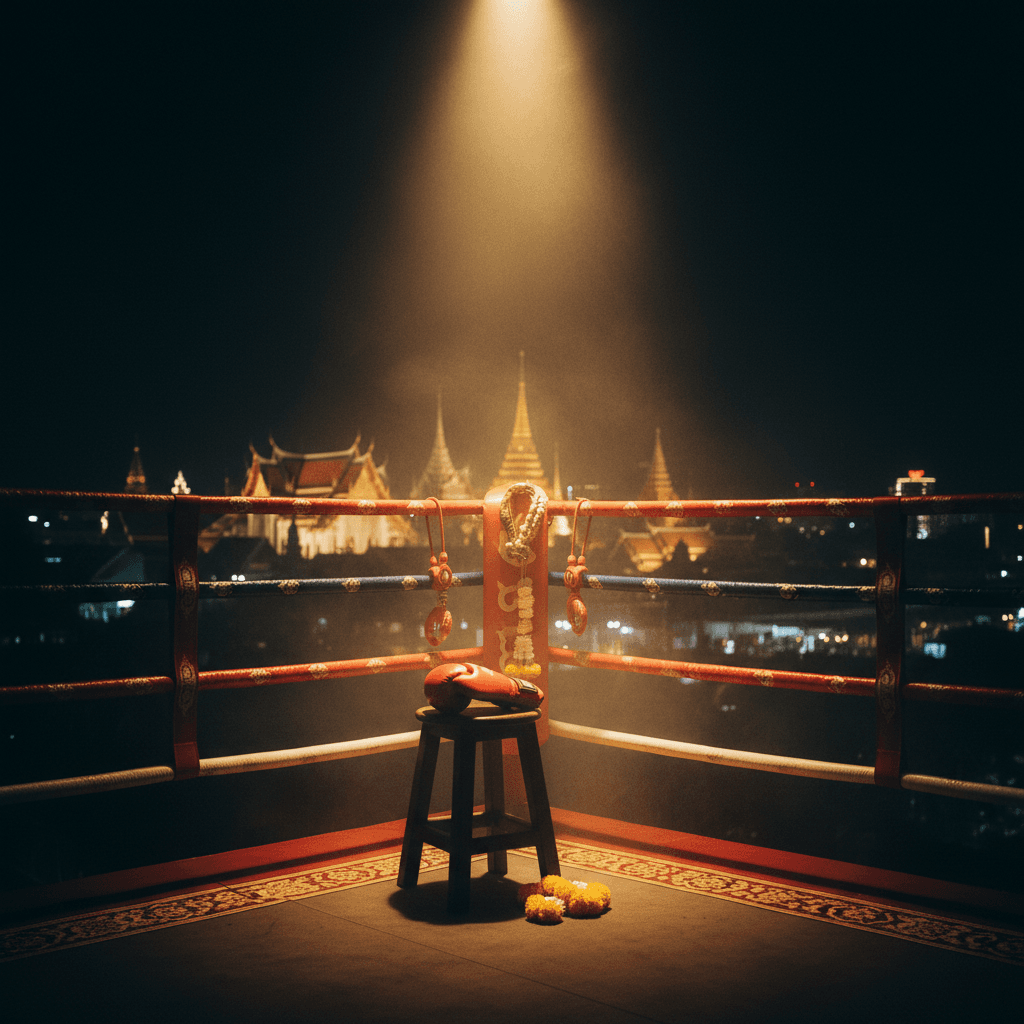
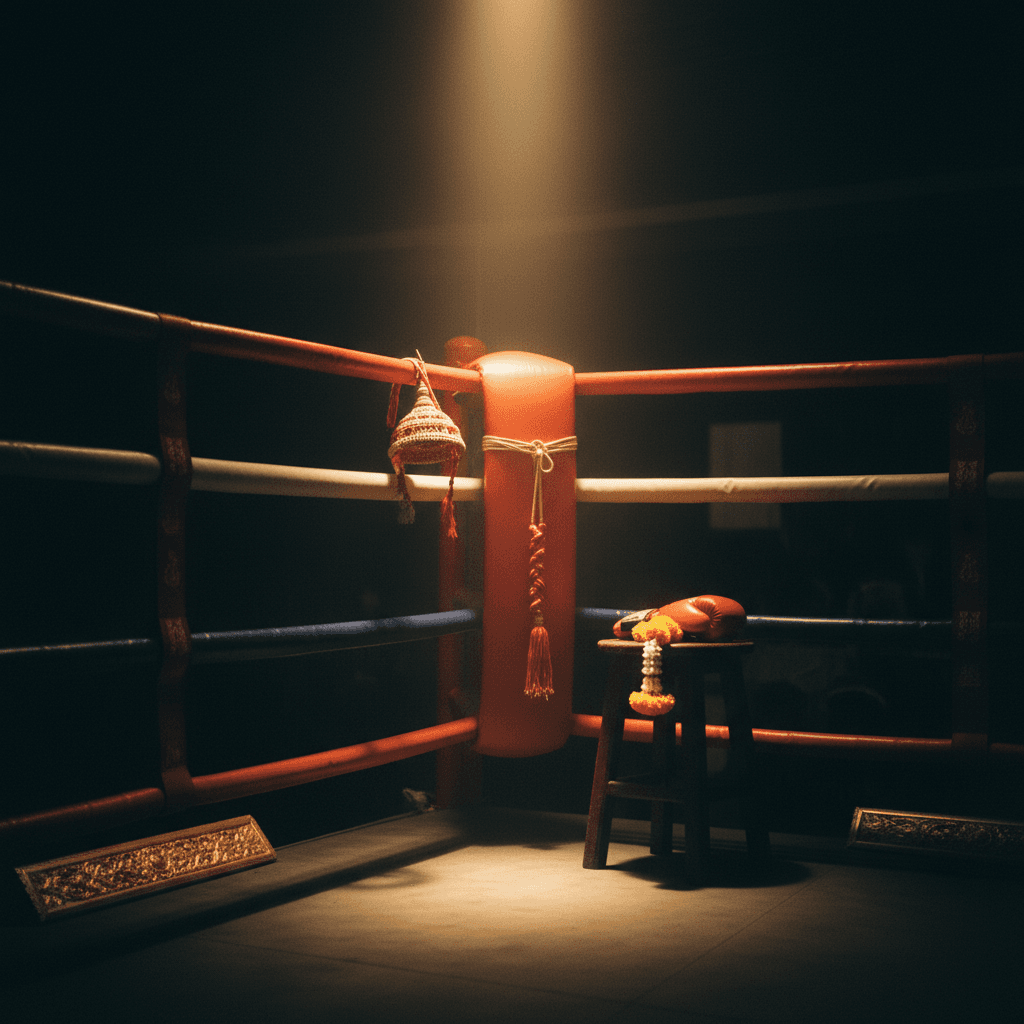
The Mongkol is the sacred headband worn during the Wai Kru Ram Muay (and sometimes during the fight itself, though less common now). It is blessed by monks or teachers and is believed to offer protection and good luck. The Pra Jiad are armbands, also blessed, worn for similar protective and lucky purposes. Both are removed by the trainer before the fight begins, symbolizing the fighter entering combat with the blessings and protection of their lineage.