Inside a Muay Thai Fight Camp: A Glimpse into the Daily Grind
Bangkok, the heart of Thailand, is not only a vibrant metropolis but also the global epicenter of Muay Thai. For those drawn to the "Art of Eight Limbs," a visit to an authentic fight camp offers unparalleled insight into the dedication and discipline that shapes a true fighter. Beyond the electrifying stadium lights, daily life within these camps is a symphony of sweat, strategy, and unwavering commitment. This article explores the rigorous schedule, crucial nutrition, vital recovery, and what respectful visitors can expect to witness at a Muay Thai camp in Bangkok.
The Dawn of a Fighter: Morning Training
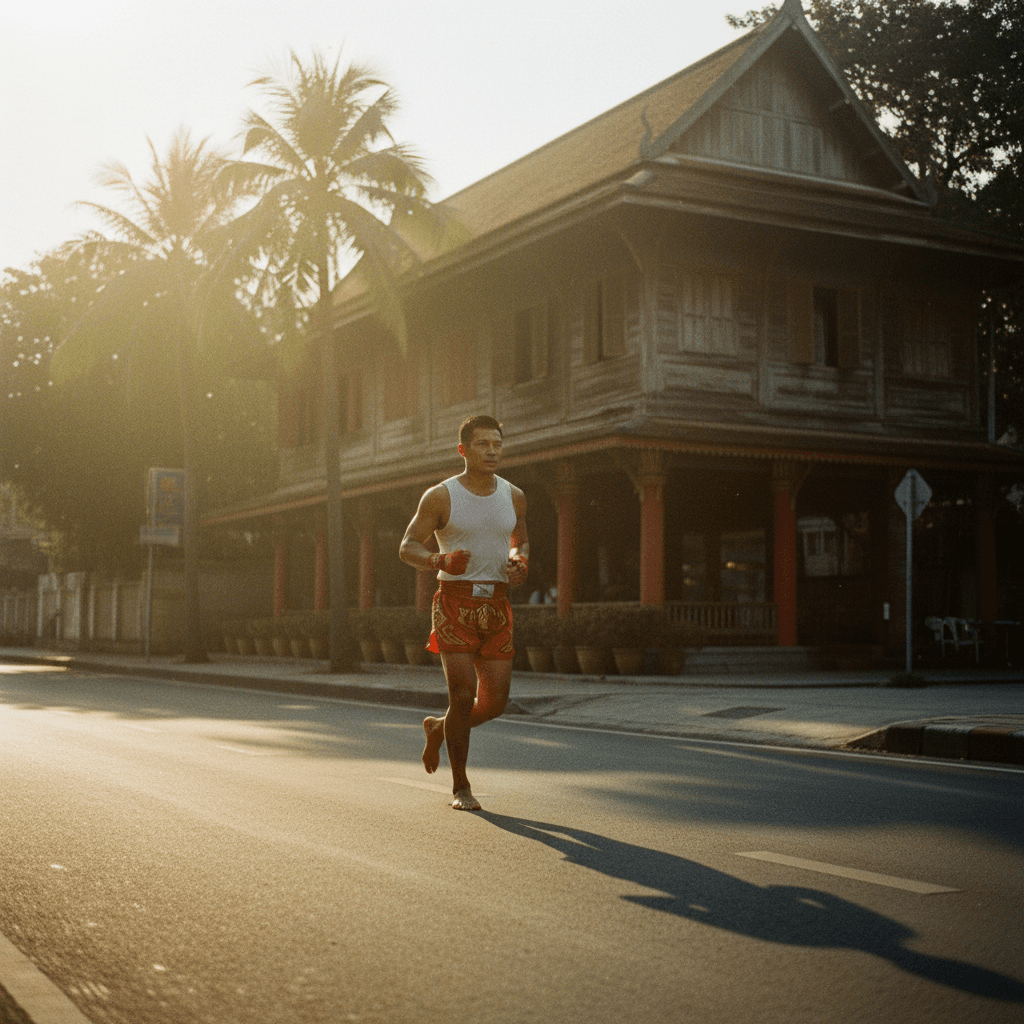
The day at a Muay Thai camp begins long before the city fully awakens, often with the first light of dawn. This early start leverages cooler morning temperatures before Bangkok's heat becomes oppressive.
The Early Start: Warm-up and Runs
Typically, fighters are up by 6:00 AM for a long-distance run, ranging from 5 to 10 kilometers. This builds cardiovascular endurance and prepares the body. Upon returning, a brief period of skipping rope, shadowboxing, and dynamic stretching further mobilizes joints and muscles.
Technical Drills and Pad Work
Following warm-up, focused technical drills begin. Fighters work with trainers on specific techniques: kicks, punches, knees, and elbows. Pad work is a highlight, where trainers guide fighters through high-intensity combinations, focusing on power, speed, and accuracy, with constant feedback.
Fueling the Warrior: Nutrition and Rest
Mid-morning brings a much-needed break for replenishment and recovery, critical for a fighter's endurance and performance.
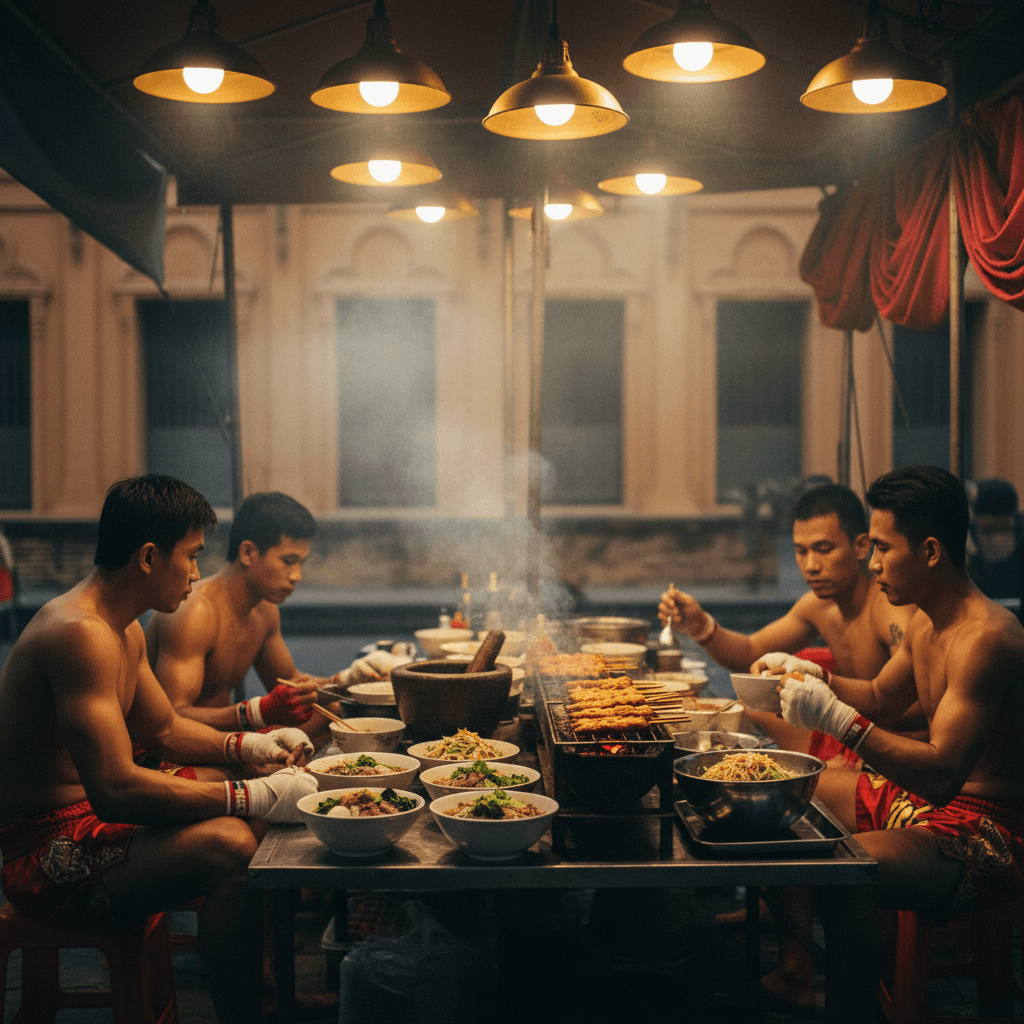
Camp Cuisine: Simple, Wholesome Meals
Nutrition is typically simple, clean, and performance-driven. Breakfast usually consists of rice, eggs, lean meat or fish, and plenty of water. Emphasis is on fresh, whole foods, low in sugar and processed ingredients, providing necessary energy without weighing fighters down. Hydration is constant.
Midday Respite: Essential Recovery
After breakfast, fighters are encouraged to rest. Many camps have dormitories where fighters can nap, stretch, or relax. This midday respite is crucial for muscle recovery, mental rejuvenation, and preparing for the equally demanding afternoon session.
Afternoon Intensity: Second Session
As the Bangkok heat peaks, fighters return to the gym for their second intensive training session, typically starting around 3:00 PM. This often builds on the morning's technical work, adding elements of sparring and strength.
Sparring, Clinch, and Bag Work
The afternoon often features sparring, where fighters practice techniques against live opponents under controlled conditions. This hones defensive and offensive skills. Clinch work, grappling at close range, develops strength, balance, and control. Heavy bag work builds stamina and destructive force.
Strength & Conditioning
To complement technical skills, fighters dedicate time to strength and conditioning. This includes bodyweight exercises, medicine ball drills, and core work. These enhance explosive power, muscular endurance, and aid injury prevention.
Evening: Winding Down and Preparation
As dusk settles over Bangkok, camp activities begin to wind down, but the fighter's commitment continues.
Recovery Practices and Sleep
Evenings are for further recovery, involving traditional Thai massage, stretching, or ice baths. Dinner is nutritious and often similar to breakfast. Early to bed is the norm, as sleep is paramount for physical and mental recovery.
The Fighter's Mindset
Beyond physical routines, daily life cultivates a specific mindset: discipline, humility, and unwavering focus. Fighters learn resilience, mental toughness, and respect, preparing them not just for the ring, but for life.
What Visitors Can Expect to Witness
For tourists and enthusiasts, visiting a Muay Thai camp offers an authentic glimpse. Many camps in Bangkok welcome observers and offer short-term training packages.
Observing Training Sessions
Most camps allow visitors to watch daily training. You'll see professionals pushing limits, hear rhythmic kicks, and feel the raw energy. It's captivating, offering deeper appreciation. Popular camps like P.K. Saenchai Muaythai Gym or FA Group are often open to visitors; check policies beforehand.
Respectful Etiquette for Visitors
Respect is paramount. Dress modestly, do not interrupt training, and always ask permission before taking photos or videos. Maintain a quiet demeanor. If speaking to a fighter or trainer, wait until a break. This is their workplace and way of life.
Joining a Training Session (Optional)
Many camps offer beginner-friendly drop-in classes or week-long training. This allows you to experience a scaled-down version of a fighter's routine, learning basic techniques from experienced trainers. It's an incredible way to immerse yourself and get an intense workout.
FAQ
How long do fighters typically train each day?
Professional Muay Thai fighters train 5-6 hours daily, split into morning and afternoon sessions, six days a week. This intense schedule builds peak physical condition, technical proficiency, and mental fortitude.
What kind of food do Muay Thai fighters eat?
Fighters consume a clean, high-protein, moderate-carb diet of whole, unprocessed foods. Staples include rice, lean meats (chicken, fish), eggs, and fresh vegetables. Sugary drinks, fried foods, and processed snacks are generally avoided.
Can beginners train at a Muay Thai camp in Bangkok?
Yes, many Muay Thai camps in Bangkok cater to all levels. They offer tailored training programs, including private lessons and group classes, to introduce newcomers to fundamentals in a safe, supportive environment.
Is it expensive to train at a Muay Thai camp?
Costs vary by camp, duration, and whether accommodation/food are included. Drop-in sessions might be 300-600 THB. Week-long packages with accommodation can range from 5,000-15,000 THB or more. Research camps to fit your budget.
What is the best time of year to visit a Muay Thai camp in Bangkok?
The "cool" season (November to February) is generally most comfortable for training due to lower humidity and slightly cooler temperatures. However, camps operate year-round, so any time can work depending on your heat tolerance.