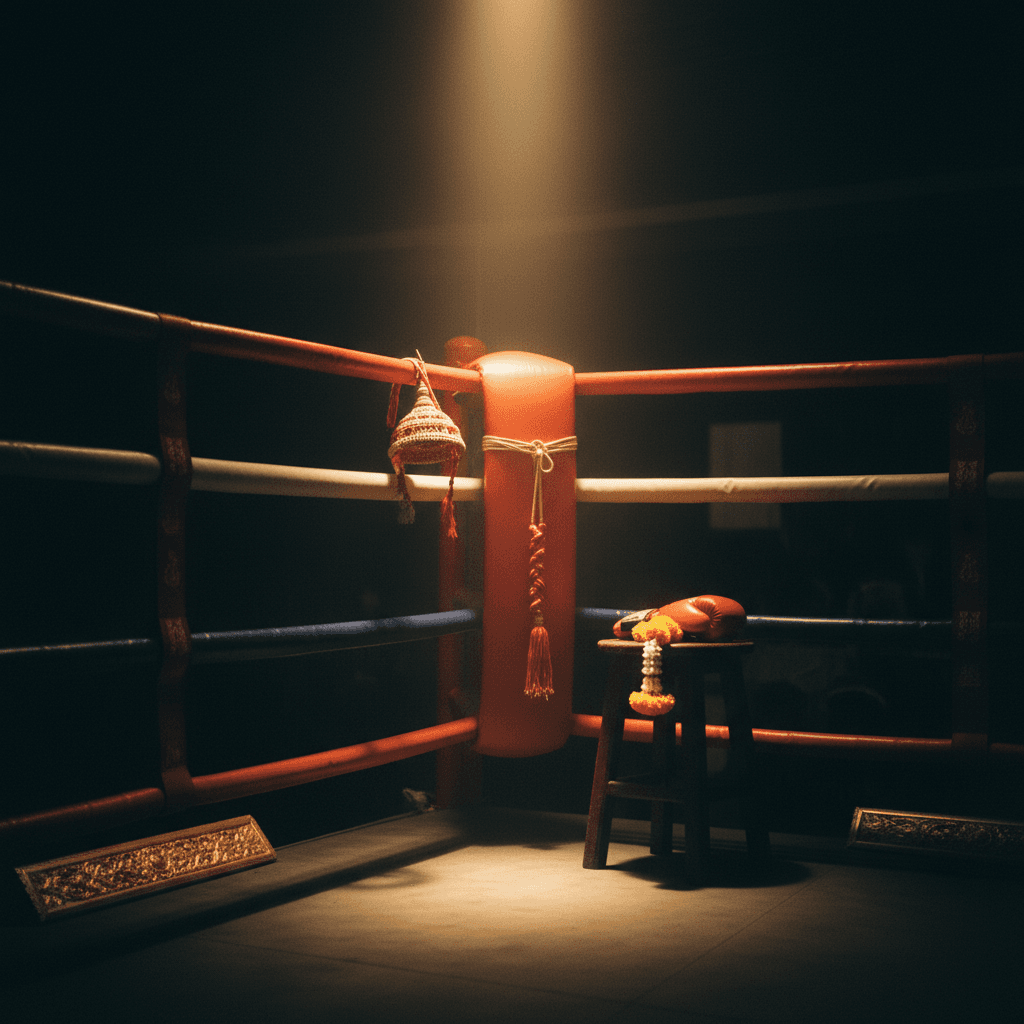
Inside Bangkok's Professional Muay Thai Fight Camps: A Journey into the Heart of the Sport
Bangkok, the vibrant capital of Thailand, isn't just a city of bustling markets and ornate temples; it's the undisputed global epicenter of Muay Thai. For enthusiasts and aspiring fighters alike, visiting a professional fight camp here offers an unparalleled immersion into the sport's rich heritage and rigorous discipline. This isn't just about learning to punch and kick; it's about understanding the dedication, the culture, and the sheer grit that shapes a true Nak Muay (Muay Thai boxer).
What Makes Bangkok's Camps Unique?
Professional Muay Thai camps in Bangkok are more than just gyms; they are homes, schools, and proving grounds. Unlike many Western gyms, these camps often house fighters from a young age, providing them with accommodation, food, and an intense training regimen aimed at producing champions. The atmosphere is steeped in tradition, respect, and a relentless pursuit of excellence, attracting top talent from across Thailand and around the world. Here, you train alongside active professional fighters, experiencing firsthand the dedication required to compete at the highest level.
A Glimpse into the Daily Grind: The Professional Training Schedule
Life in a professional Muay Thai camp revolves around an unyielding training schedule designed to forge peak physical and mental conditioning. Fighters typically train twice a day, six days a week, with Sundays reserved for rest.
Morning Session (Approx. 6:00 AM - 9:00 AM)
The day begins before dawn with a long-distance run, often 5-10 kilometers, to build cardiovascular endurance. Following the run, fighters engage in various activities:
- Shadow Boxing: Developing technique, footwork, and muscle memory.
- Pad Work: Intense, explosive rounds with trainers, focusing on combinations, power, and speed.
- Bag Work: Multiple rounds on heavy bags to improve power, stamina, and technique.
- Clinching: Crucial for close-range fighting, involving grappling, kneeing, and throws.
- Conditioning: Bodyweight exercises, core work, and stretching.
After the morning session, fighters eat, rest, and recover, often napping to prepare for the afternoon.
Afternoon Session (Approx. 2:00 PM - 5:00 PM)
The afternoon mirrors the morning's intensity, often incorporating sparring and more specialized drills:
- Running: Shorter, faster runs or sprints.
- Pad Work & Bag Work: More rounds, sometimes focusing on specific weaknesses or fight strategies.
- Sparring: Controlled exchanges with partners, practicing techniques and developing fight IQ.
- Technique Drills: Refining specific moves, counters, and defensive strategies.
- Strength & Conditioning: Often more focused on specific muscle groups or explosive power.
- Stretching & Cool Down: Essential for flexibility and injury prevention.
This relentless schedule, combined with a disciplined diet and ample rest, is the secret behind the formidable prowess of Thai fighters.
Top Camps to Consider Visiting in Bangkok
While many camps exist, a few stand out for their professional environment and welcoming approach to visitors:
P.K. Saenchai Muaythai Gym
Home to multiple Lumpinee and Rajadamnern champions, P.K. Saenchai is a high-level camp known for its traditional training and producing elite fighters. It offers an authentic, no-frills experience for serious practitioners.
Sitsongpeenong Muaythai Camp
Located a bit further out from the city center but easily accessible, Sitsongpeenong offers excellent facilities and a strong roster of trainers and fighters. It's often recommended for both beginners and advanced practitioners looking for a professional environment.
Jitmuangnon Gym
A highly respected traditional camp, Jitmuangnon has produced numerous champions and offers a raw, authentic training experience. It's known for its disciplined environment and focus on the fundamental techniques that make Thai fighters so effective.
How to Visit and Train at a Professional Camp
Visiting a professional camp, even if just for a day or a week, is an incredible experience. Training there requires commitment and respect.
Research and Contact in Advance
Before arriving, research camps that align with your goals and experience level. Most camps have websites or social media. Contact them via email or phone to inquire about training packages, accommodation options (some camps offer on-site lodging), and availability. Booking in advance is highly recommended, especially during peak season.
What to Expect and Etiquette
- Intensity: Be prepared for challenging workouts. Even if you're not a pro, trainers will push you.
- Humility: Leave your ego at the door. You are a guest learning a revered art.
- Respect (Wai Kru): Show respect to trainers, senior fighters, and the gym itself. The "Wai Kru" is a traditional gesture of respect.
- Cleanliness: Keep your training area tidy.
- Photography: Always ask permission before taking photos or videos, especially during sparring or if it involves other fighters.
- Language: While many trainers speak some English, basic Thai phrases like "Sawasdee krap/ka" (hello), "Khob khun krap/ka" (thank you), and "Suu suu!" (fight on!) will be appreciated.
Gear and Preparation
Bring your own hand wraps, gloves, shin guards, and mouthguard if you have them. Otherwise, most camps have gear for rent or purchase. Ensure you are well-hydrated and have a basic level of fitness before you arrive to make the most of your training.
Tips for the Aspiring Nak Muay
- Listen to Your Body: The training is intense. Don't be afraid to take a rest day if needed. Overtraining leads to injury.
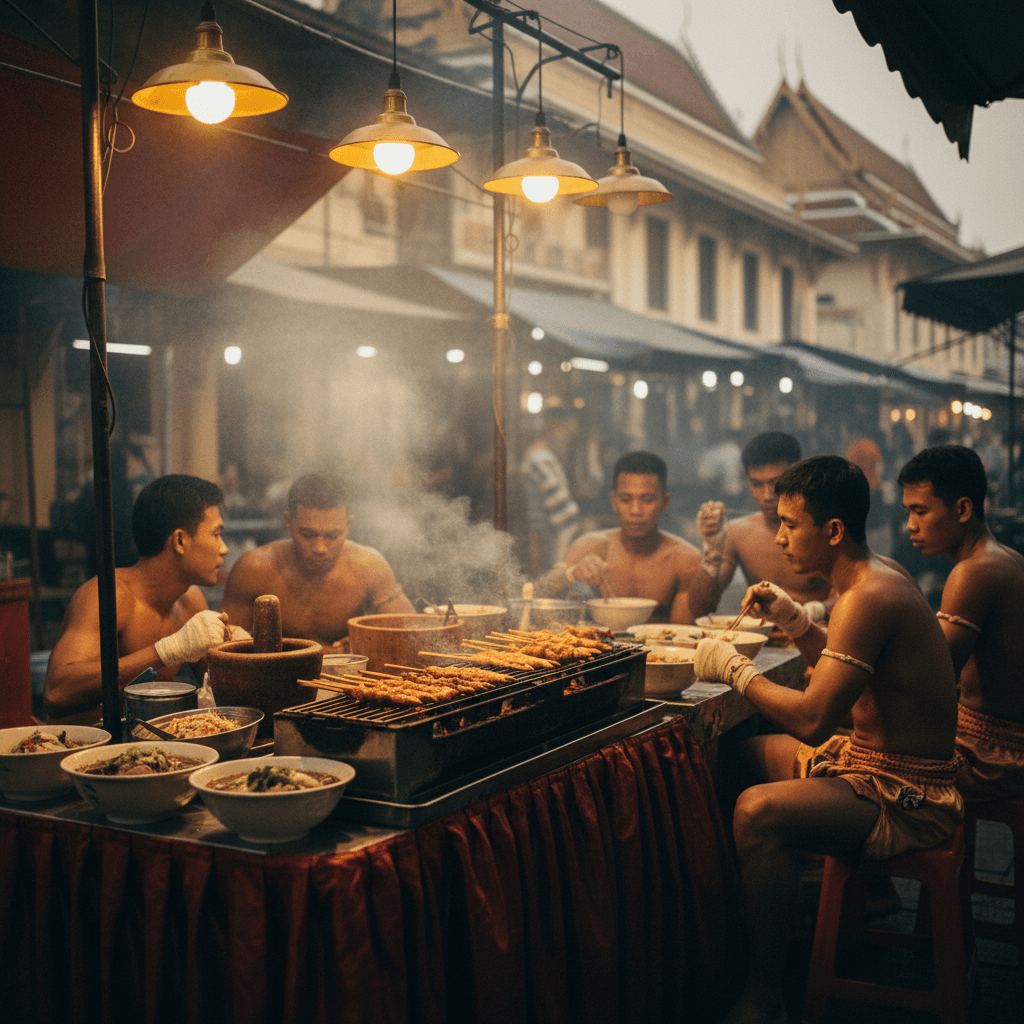
- Hydration and Nutrition: Drink plenty of water and eat clean, nutritious food. Local Thai food is excellent for this.
- Embrace the Culture: Engage with the trainers and fighters. Learn a few Thai words. This enriches your experience beyond just the physical training.
- Patience and Persistence: Muay Thai takes years to master. Focus on small improvements daily.
Conclusion
Stepping into a professional Muay Thai fight camp in Bangkok is an unforgettable journey into the heart and soul of Thailand's national sport. It's an opportunity to witness firsthand the dedication of elite athletes, to push your own limits, and to gain a profound appreciation for an art form steeped in tradition and discipline. Whether you're an experienced fighter or a curious traveler, this immersive experience promises to be both challenging and deeply rewarding.
FAQ
### How much does it cost to train at a professional Muay Thai camp in Bangkok?
Prices vary widely based on the camp, duration, and whether accommodation is included. A typical daily rate for training can range from 300-700 THB, while weekly or monthly packages offer better value, often ranging from 3,000-8,000 THB per week without accommodation, or significantly more with it.
### Do I need prior experience to train at these camps?
Most professional camps welcome all levels, from complete beginners to advanced fighters. They will assess your skill level and pair you with appropriate trainers and training groups. However, a basic level of fitness will greatly enhance your experience.
### Can women train at these professional camps?
Absolutely! Many professional Muay Thai camps in Bangkok have dedicated female trainers and welcome women to train alongside men. The sport is inclusive, and female fighters are highly respected.
### What should I bring with me for training?
Essential items include comfortable athletic wear, hand wraps, boxing gloves, shin guards, a mouthguard, and plenty of water. Most camps also sell or rent gear if you don't have your own. A small towel and toiletries are also recommended.
### Is it safe to train in Bangkok's professional camps?
Yes, it is generally safe. Trainers are experienced and prioritize safety. However, Muay Thai is a contact sport, and minor injuries (bruises, sprains) can occur. Always listen to your trainers, know your limits, and use appropriate protective gear.