The Sacred Mongkol: Unraveling the Heart of Muay Thai Tradition
Every Muay Thai fight begins with a ritual as old as the sport itself, a dance of respect and a silent prayer for protection. Central to this powerful tradition is the Mongkol, the sacred braided headband worn by every fighter. More than just an accessory, the Mongkol is a profound symbol, steeped in history, spirituality, and the deep-seated cultural values of Thailand. For travelers exploring the vibrant world of Muay Thai in Bangkok or elsewhere, understanding the Mongkol is key to appreciating the true depth of this ancient martial art.
What is the Mongkol?
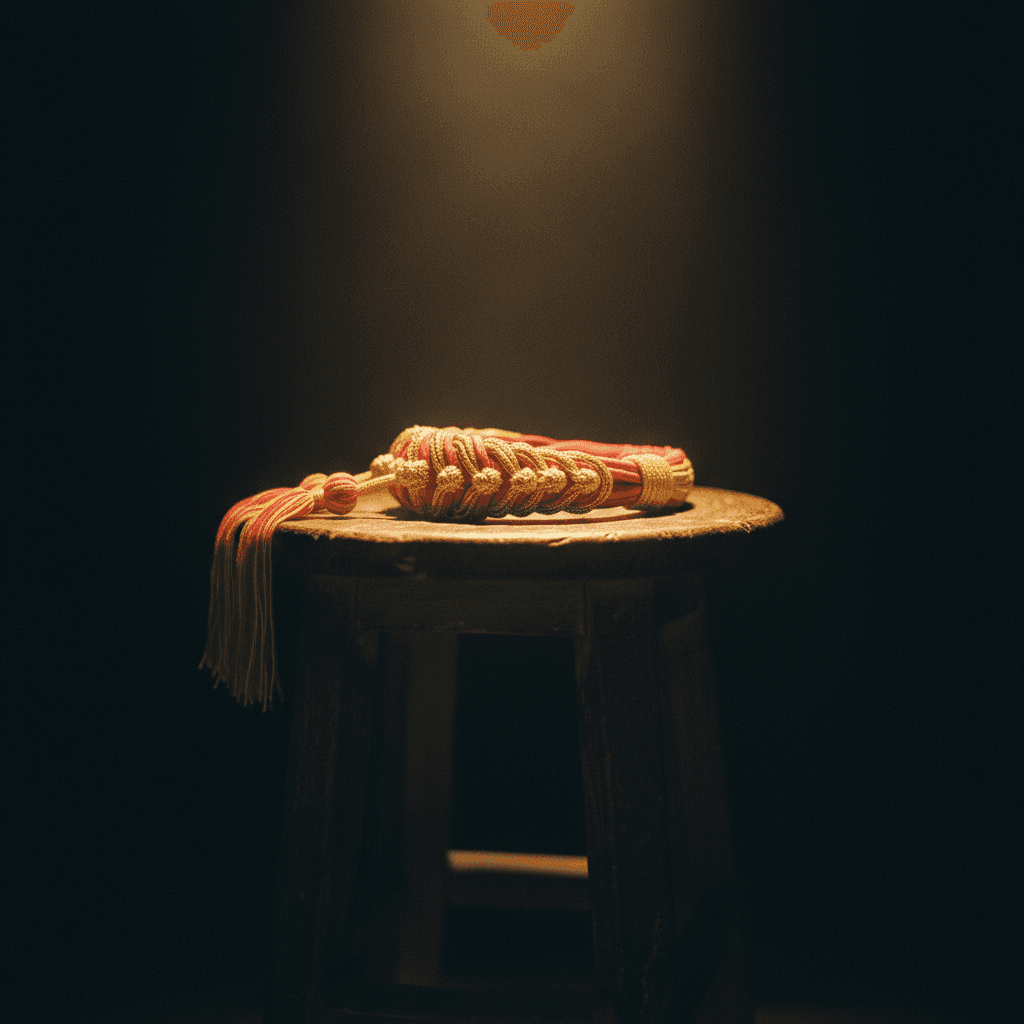
The Mongkol (sometimes spelled Mongkon) is a ceremonial headband, typically crafted from braided rope, often with a core of sacred material or blessed objects, then covered in fabric, usually white, red, or blue. It is worn by a Muay Thai fighter during the pre-fight ritual known as the Wai Kru Ram Muay and is removed just before the bout commences. Its presence signifies protection, good fortune, and a deep connection to the fighter's lineage and spiritual beliefs.
A Tapestry of History and Spirituality
The origins of the Mongkol are intertwined with ancient Siamese warfare and animistic beliefs, later influenced by Buddhism. In a time when warriors went into battle, they often carried amulets or wore protective charms blessed by monks or village elders. The Mongkol evolved from these practices, serving as a tangible link to divine protection and the spiritual realm.
Each Mongkol is traditionally handmade and consecrated, often by a revered monk or the fighter's Kru (teacher). During this blessing ceremony, prayers are recited, and holy water is sprinkled upon the Mongkol, imbuing it with protective powers and good fortune. This ritual transforms the physical object into a powerful spiritual conduit, representing the fighter's dedication, the blessings of their teachers, and the protection of their ancestors. It is believed to ward off evil spirits and bring success to the wearer.
The Mongkol and the Wai Kru Ram Muay
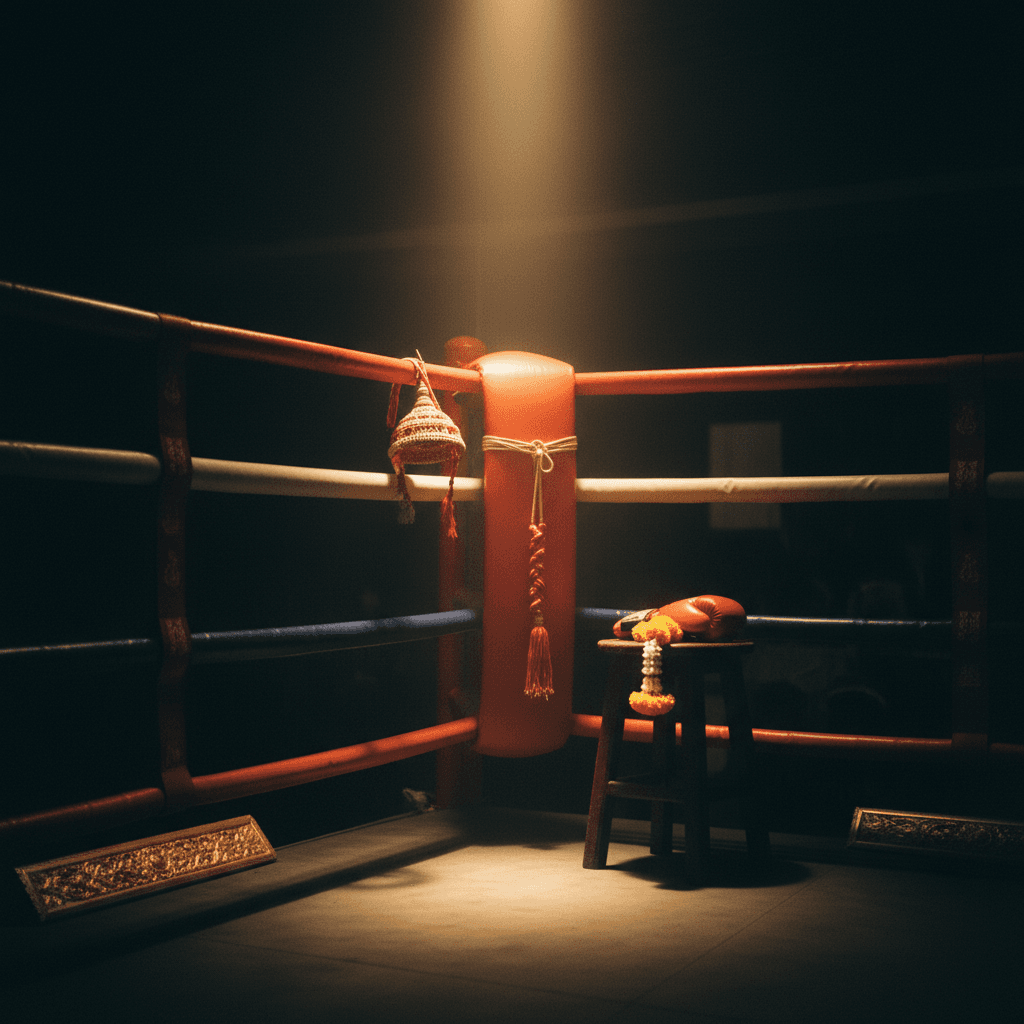
The most prominent display of the Mongkol's significance occurs during the Wai Kru Ram Muay, the elaborate pre-fight ritual. As the fighter performs this slow, graceful dance, the Mongkol remains firmly on their head. The Wai Kru is a demonstration of respect: respect for their teacher, their gym, their parents, their opponents, and the art of Muay Thai itself. The Mongkol amplifies this reverence, serving as a visible testament to the fighter's spiritual preparation and their acknowledgment of the traditions that precede them.
Crucially, the Mongkol is removed by the fighter's Kru or a designated trainer only after the Wai Kru is completed and just before the fight begins. It is never worn during the actual combat. This act of removal is symbolic, signifying that the spiritual preparation is complete, and the fighter is now ready to face the physical challenge ahead, protected by the blessings received.
Etiquette and Respect for the Sacred Headband
For visitors and aspiring Muay Thai practitioners, understanding the strict etiquette surrounding the Mongkol is paramount. This isn't merely a cultural nuance; it's a profound display of respect for the art and its traditions.
- Never Touch Without Permission: The Mongkol is considered sacred. Under no circumstances should you touch a fighter's Mongkol without explicit permission from the fighter or their Kru. Doing so is considered highly disrespectful and can be seen as an attempt to diminish its protective power.
- Keep it Off the Ground: The Mongkol must never touch the ground. It is always handled with care and kept elevated, often placed on a high shelf or hung respectfully within the gym. Allowing it to touch the ground is believed to drain its spiritual power and bring bad luck.
- Only the Kru: Only the fighter's Kru or a trusted elder is permitted to place the Mongkol on the fighter's head and remove it. This act symbolizes the transfer of blessings and protection from teacher to student.
- Not a Souvenir: While attractive, the Mongkol is not a casual souvenir or a fashion item. Authentic Mongkols are deeply personal and spiritually charged. If you wish to purchase a replica, ensure it's understood as such and treat it with respect, even if it hasn't undergone a consecration ritual.
The Enduring Symbolism
In a world where traditions often fade, the Mongkol stands as a steadfast guardian of Muay Thai's spiritual heart. It serves as a constant reminder that this martial art is more than just physical combat; it is a discipline steeped in respect, spirituality, and a deep connection to its cultural roots. For anyone witnessing a Muay Thai fight, whether in a bustling Bangkok stadium or a rural training camp, the sight of the Mongkol during the Wai Kru Ram Muay offers a powerful glimpse into the soul of "The Art of Eight Limbs."
FAQ
What does the Mongkol symbolize?
The Mongkol symbolizes protection, good luck, and the blessings from a fighter's teacher (Kru), parents, and ancestors. It is believed to ward off evil spirits and bring success, representing the spiritual preparation and lineage of the Muay Thai practitioner.
Who places and removes the Mongkol?
Only the fighter's Kru (teacher) or a highly respected elder or trainer is permitted to place the Mongkol on the fighter's head before the Wai Kru Ram Muay and remove it just before the fight begins. This act signifies the transfer of blessings and protection.
Is it okay for tourists to buy a Mongkol as a souvenir?
While replica Mongkols are available in tourist markets, an authentic, consecrated Mongkol is deeply personal and sacred. If you purchase a replica, understand it is a decorative item and treat it with respect, acknowledging its traditional significance rather than viewing it as a mere fashion accessory.
Can I touch a fighter's Mongkol?
No, it is considered highly disrespectful to touch a fighter's Mongkol without their explicit permission or the permission of their Kru. The Mongkol is a sacred item, and touching it without authorization is seen as undermining its protective power and disrespecting the fighter's spiritual preparation.